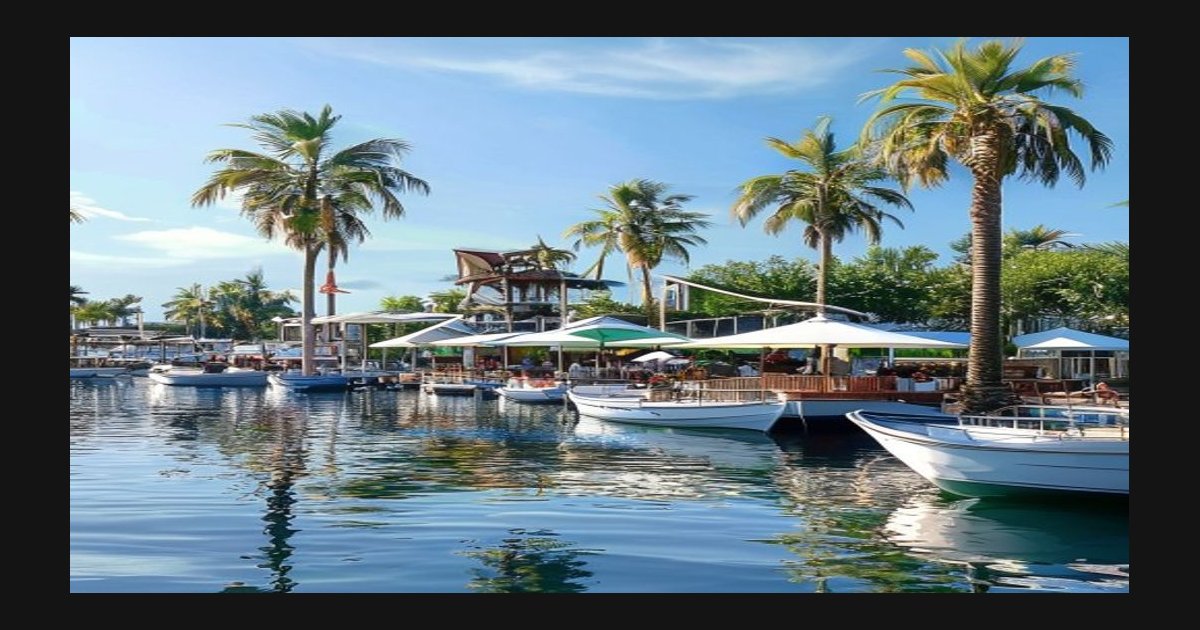
LAUDERDALE-BY-THE-SE, FL. Inspectors walked into Diner by the Sea on Commercial Boulevard on September 3 and found employees who were not reporting illness symptoms, food sourced from unapproved or unknown suppliers, and toxic substances improperly stored or used — six high-severity violations in a single visit. The restaurant was not closed.
What Inspectors Found
The illness-reporting violation is the one that should alarm anyone who ate at the restaurant around the time of the inspection. State rules require food workers to report symptoms including vomiting, diarrhea, jaundice, or sore throat with fever before they handle food. The violation means that requirement was not being followed.
Alongside that, inspectors cited the restaurant for food sourced from unapproved or unknown suppliers. That is a separate, simultaneous problem: food that never passed through a USDA- or FDA-inspected supply chain, sitting in a kitchen where toxic substances were also found to be improperly identified, stored, or used.
The shellfish violation added another layer. Inspectors found inadequate shell stock identification records, meaning oysters, clams, or mussels on the menu could not be traced back to their harvest source. Shellfish are consumed raw or lightly cooked, and without proper tagging records, there is no way to identify where a contaminated batch came from if a customer gets sick.
Three intermediate violations accompanied the six high-severity findings: single-use items being reused, inadequate ventilation and lighting, and insufficient or improperly maintained toilet facilities.
What These Violations Mean
The illness-reporting failure is not a paperwork problem. It is the documented leading cause of multi-victim foodborne outbreaks. Norovirus, the most common culprit in restaurant-linked outbreaks, spreads when a sick employee handles food without disclosing symptoms. A single infected worker can expose dozens of customers before anyone realizes what happened.
The food-from-unapproved-sources violation strips away the traceability that makes recall investigations possible. When a customer gets sick, health officials trace the food back through the supply chain to find the contaminated lot. Food sourced outside approved channels has no chain of custody. At Diner by the Sea, inspectors documented both an unverifiable food source and food in poor condition or adulterated in the same inspection, meaning the quality of what was being served could not be independently verified.
The improper handwashing technique citation compounds both of those risks. Handwashing is the single most effective barrier between a sick employee and a customer's plate. Citing the technique, not just the absence of handwashing, means employees were going through the motions without removing pathogens.
Toxic substances improperly stored or used in a commercial kitchen creates a direct chemical contamination path. Cleaning chemicals stored near food, or unlabeled containers, can end up in food with no visible sign until a customer is harmed.
The Longer Record
The September 3 inspection was the seventh on record for this restaurant. Across those seven inspections, the facility has accumulated 29 total violations and has never been emergency-closed.
The pattern in the records is not one of a restaurant that had a bad day. On May 20, 2026, inspectors found six high-severity violations, matching the count from September 3 exactly. That visit was followed two days later by a clean inspection with zero high or intermediate violations, suggesting a rapid correction. But by September, the same severity level had returned.
Before that, a March 31 inspection found three high-severity violations and one intermediate. The January 13 visit found one high-severity violation. Even the September 2025 inspection, the oldest on record, found one high and one intermediate violation.
The restaurant has never gone through an emergency closure in any of those seven inspections, including the two visits that each produced six high-severity findings. The September 4 follow-up, the day after the most recent inspection, showed zero high-severity violations and two intermediate ones, a pattern that has repeated before at this address.
Still Open
State inspectors documented six high-severity violations at Diner by the Sea on September 3, including an employee illness-reporting failure, food from an unverifiable source, and improperly handled toxic substances. They left the restaurant open.
The follow-up inspection the next day cleared the high-severity findings. What the record cannot show is how many customers sat down between those two visits.